A council, shared
I have a secure job I dislike and a risky dream I love. How do I decide?
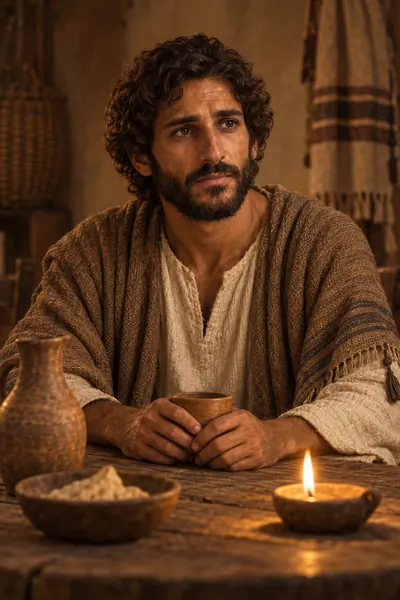
Jesusc. 4 BCE – c. 30/33 CE
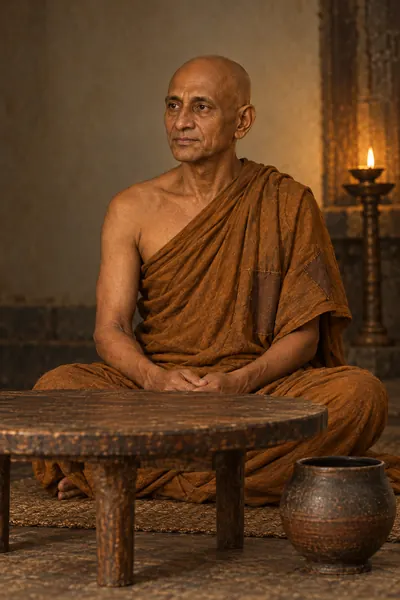
The Buddhac. 480–400 BCE
Mother Teresa1910–1997
Confuciusc. 551–479 BCE
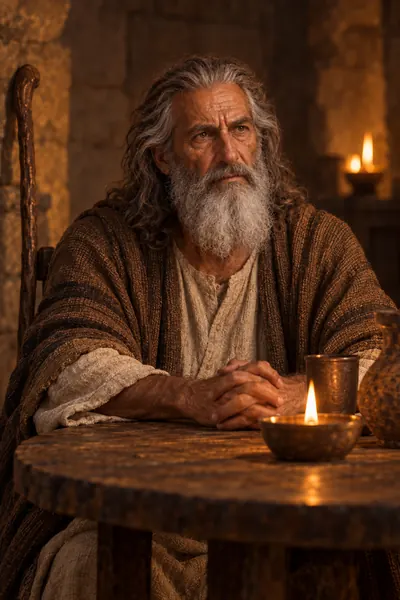
MosesTraditionally placed in the Late Bronze Age
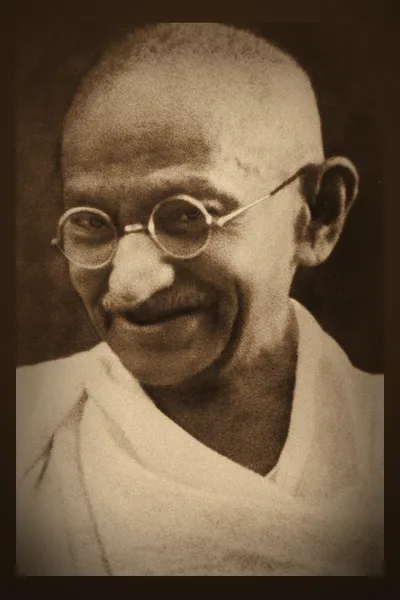
Gandhi1869–1948
Rumi1207–1273
Joan of Arcc. 1412–1431
Socratesc. 470–399 BCE
The camel still needs its tether, even when the traveller’s heart is full of trust in God. In my tale of the lion and the beasts, I give exertion its place: the hands God gave you are also a gift of His providence. Give this dream some actual labour, bit by bit, while you still have bread. Learn what it asks when delight must become patience and practice. Does your love deepen through that work, or does it live chiefly in imagining your escape? This can teach you something that neither fear nor excitement knows. Then let your provision serve the journey; do not make provision the master of your life.

Joan of Arc
I left home because God commanded me, not because I knew how to fight. Loving your dream does not by itself tell you whether to follow it. Ask what good you would do, and what duties you would leave behind. But do not let fear alone decide.

Socrates
Joan, you ask what good the dream would do. Let us examine that: a person might gain wealth and applause while becoming less honest. I would count that a poor bargain, however much they loved the work. When you say ‘good,’ do you mean that pursuing the dream would make them more just and better able to fulfil their duties?

Joan of Arc
I mean serving God and doing right by those entrusted to you. Wealth and applause cannot excuse dishonesty. But a duty may call you away from safety: I was sent to help the Dauphin, though I knew little of war. So I would ask what this dream asks of the person, besides courage.

Jesus
I ask you: what treasure are you seeking in each path? A secure wage can bind your heart to money; a beloved dream can bind it to praise. Seek first the Kingdom of God, and weigh both by love of God and your neighbour. Then sit down as a builder does before raising a tower: count what the work requires and what you must give up. Counting the cost need not keep you from going; it lets you see what your yes will require.

Rumi
The camel still needs its tether, even when the traveller’s heart is full of trust in God. In my tale of the lion and the beasts, I give exertion its place: the hands God gave you are also a gift of His providence. Give this dream some actual labour, bit by bit, while you still have bread. Learn what it asks when delight must become patience and practice. Does your love deepen through that work, or does it live chiefly in imagining your escape? This can teach you something that neither fear nor excitement knows. Then let your provision serve the journey; do not make provision the master of your life.

Moses
Rumi, testing the dream through work may teach much. But take heed that doing both does not consume every day. I received the command that work must cease for the Sabbath. Even servants must have rest; we were slaves in Egypt. I would weigh each path by this also: can you keep faith with the LORD, provide for those entrusted to you, and keep your hand open to the poor? A secure wage can serve those duties. A dream must answer to them too. And neither has a right to all your days.

Mother Teresa
I waited two years for permission to leave Loreto. Waiting was part of answering God, too. Bring this choice into prayer, and seek counsel from someone who knows your duties. While you discern, give love to the people beside you in the work you have. When I went out, I began with teaching poor children. What small beginning can you make toward your dream, and whom will it serve?

Confucius
I would distinguish disliking your work from being ashamed to do it. When an office serves what is right, its tedious duties still deserve care; when it requires wrongdoing, its wealth is no honour. Examine both paths in this light, and include what you owe your parents and those who depend on you: which work can you pursue with integrity?

Gandhi
I would add one practical experiment: simplify your living before deciding. In London, I reduced my expenses because my brother’s sacrifices troubled me. That brought my conduct closer to my duty. Some of the security you need may become possible through fewer wants, rather than a larger wage. Try giving up comforts you would willingly surrender for this work. Do not impose that sacrifice on your dependants. Then examine the choice again: does the dream still deserve your labour when you must live more simply to pursue it? Self-rule begins with learning which wants shall govern us.

The Buddha
Fewer possessions can ease a burden, Gandhi, but craving can govern someone who owns very little. Examine what moves you in each choice: greed, ill will and fear, or generosity, goodwill and understanding. Loving a dream does not yet reveal its roots. I teach that an action should be examined before doing it, while doing it, and after doing it: does it bring harm to oneself, to others, or to both? Apply this to a small beginning in the work you love. Watch its actual fruits, and correct what causes harm. Let the decision grow from that knowledge. Neither the pleasure of imagining success nor the discomfort of your present work is sufficient to decide.

Socrates
My friend, what do you count as harm? Suppose a small beginning costs someone money and brings hard work, but makes them more honest: has it harmed them? I would sooner lose my wages than earn them by wrongdoing. Your test needs this distinction before it can guide our friend’s choice.

The Buddha
By harm I do not mean every loss of money or every painful effort, Socrates. I teach abandoning falsehood even when speaking truth costs us gain. An honest livelihood may be demanding; its difficulty does not make it unwholesome. But honesty does not excuse carelessness toward those who depend on us. Our friend should examine both the intention and the foreseeable consequences: does this step involve deceit, injury or neglect? Does it strengthen greed, hatred and delusion, or their abandoning? If the secure work requires wrongdoing, its wages cannot make it right. If both kinds of work are honest, then the question becomes which can be undertaken with care for others and a mind less governed by craving.